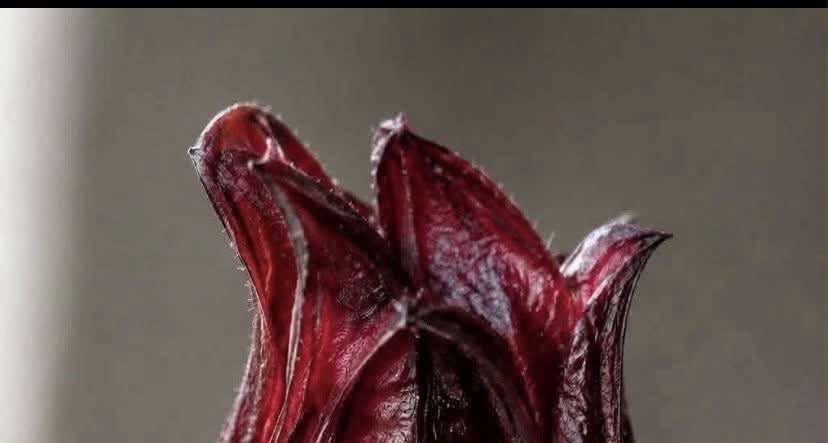
Roselle (Hibiscus sabdariffa) is a species of hibiscus native to West Africa and now cultivated extensively across tropical and subtropical regions worldwide. Recognized for its deep crimson, fleshy calyces, Roselle is widely celebrated for its refreshing tart flavor, vibrant color, and impressive array of medicinal properties. Often processed into herbal teas, syrups, jams, and traditional natural remedies, this botanical power plant has earned a dedicated spot in both modern wellness culture and traditional medicine practices.
Nutritional Profile and Key Bioactive Compounds
The Health and therapeutic potential of Roselle stems from its rich concentration of essential nutrients, organic acids, and potent antioxidants.
- Vitamin C (Ascorbic Acid): Supports immune function, collagen synthesis, and skin health.
- Anthocyanins: Natural pigments responsible for the deep red color that act as powerful antioxidants to neutralize free radicals.
- Organic Acids: Contains citric acid, malic acid, tartaric acid, and unique hibiscus acid, giving it its signature tangy taste and supporting metabolic digestive health.
- Minerals: Supplies meaningful amounts of calcium, iron, magnesium, potassium, and phosphorus.
- Polyphenols and Flavonoids: Plant compounds known to combat oxidative stress, reduce cellular inflammation, and promote cardiovascular health.
Proven Health Benefits of Roselle
Supports Cardiovascular Health and Blood Pressure Regulation
One of the most well-documented benefits of Roselle is its ability to support heart health. Studies suggest that daily consumption of Roselle tea can help maintain healthy blood pressure levels already within a normal range. The natural flavonoids and anthocyanins encourage vasodilation, promoting smoother blood circulation and reducing overall stress on the arterial walls.
Promotes Healthy Cholesterol and Lipid Balance
Regular consumption of Roselle extracts can positively influence lipid profiles. It helps lower lower-density lipoprotein (LDL) cholesterol and triglycerides while supporting high-density lipoprotein (HDL) levels. This dual action inhibits the accumulation of plaque in blood vessels, contributing significantly to long-term cardiovascular wellness.
Rich Source of Antioxidants for Cellular Defense
Oxidative stress caused by free radicals contributes to premature aging, chronic inflammation, and cellular degradation. Roselle is packed with water-soluble antioxidants that scan and neutralize these unstable molecules. Consistent antioxidant intake reinforces your immune defense system and supports vitality at a cellular level.
Aids Digestion and Supports Weight Management
Roselle acts as a mild natural diuretic, encouraging healthy fluid balance and helping the body eliminate excess sodium and metabolic waste. Additionally, compounds in Hibiscus sabdariffa are believed to inhibit amylase production—an enzyme that breaks down complex carbohydrates. By slowing carbohydrate absorption, Roselle can assist in healthy weight management goals and balanced blood sugar levels.
Enhances Liver Health and Natural Detoxification
The liver plays a vital role in processing nutrients and filtering toxins. The antioxidant polyphenols found in Roselle calyces help protect liver tissue from oxidative damage, supporting optimal hepatic enzyme activity and overall liver functionality.
Culinary Uses and How to Enjoy Roselle
Roselle is incredibly versatile in the kitchen, offering a tart, cranberry-like taste profile that elevates both sweet and savory dishes.
- Hibiscus Herbal Tea (Bissap/Agua de Jamaica): The most common way to enjoy Roselle is by steeping dried calyces in hot water. It can be served piping hot or chilled over ice with fresh mint and honey.
- Jams, Jellies, and Preserves: Due to its natural pectin content and pleasant acidity, Roselle yields rich, flavorful fruit spreads.
- Natural Food Coloring and Flavoring: Roselle syrup provides a striking crimson hue and tart flavor kick to beverages, mocktails, cocktails, and baked goods.
- Culinary Greens: In many Asian and African traditions, the tender young leaves of the Roselle plant are cooked like spinach or incorporated into tangy soups and curries.
How to Prepare Fresh or Dried Roselle Tea
Preparing a classic infusion of Roselle tea at home requires minimal effort and delivers maximum flavor.
Ingredients:
- 2 tablespoons of dried Roselle calyces (or 1 cup fresh calyces)
- 4 cups of filtered water
- 1 to 2 tablespoons of natural sweetener (honey, agave, or raw sugar)
- Optional additions: Fresh ginger slices, cinnamon stick, fresh lime juice, or mint leaves
Instructions:
- Bring the 4 cups of water to a rolling boil in a saucepan.
- Add the dried Roselle calyces along with any desired spices (such as ginger or cinnamon).
- Reduce heat to low and allow the mixture to simmer for 10 to 15 minutes until the water turns a deep, ruby-red color.
- Remove from heat and strain the liquid into a pitcher or teapot to discard the solids.
- Stir in your choice of sweetener while the tea is warm.
- Serve hot immediately, or allow it to cool completely and pour over ice for a cooling, summer beverage.
Precautions and Potential Interactions
While Roselle is generally safe for most healthy adults, certain precautions should be kept in mind:
- Pregnancy and Breastfeeding: Pregnant individuals should avoid high amounts of Roselle, as it may exert emmenagogue effects (stimulating menstrual flow).
- Low Blood Pressure (Hypotension): Because Roselle naturally promotes lower blood pressure, individuals who already suffer from hypotension should monitor their intake.
- Medication Interactions: Consult a healthcare provider before consuming large doses if taking antihypertensive drugs, diuretics, or acetaminophen.