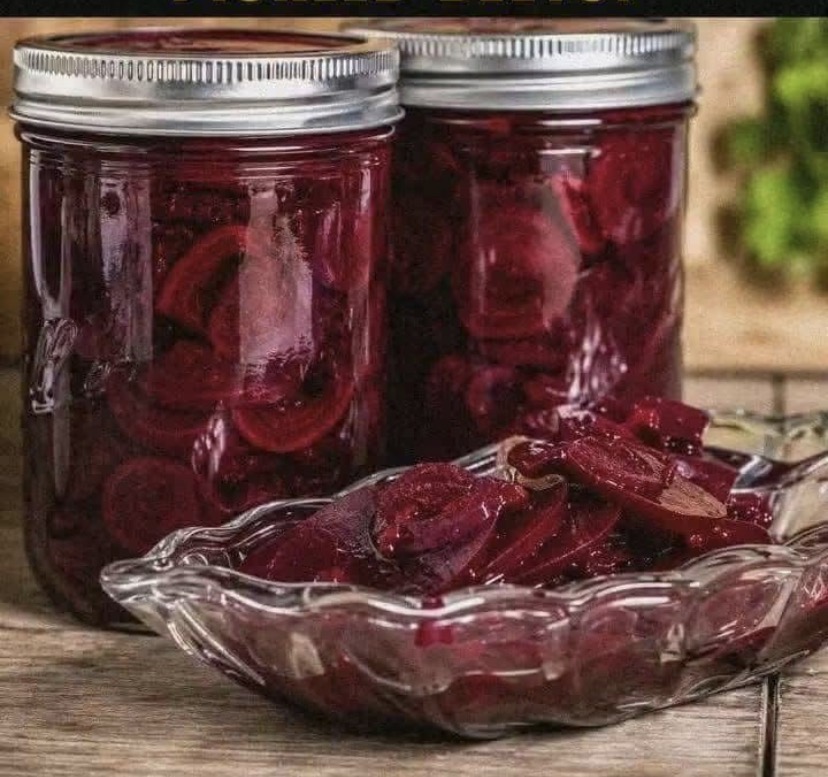
Pickled beets are a tangy, vibrant condiment that combines the earthy sweetness of root vegetables with a bright, acidic brine. Preserving fresh beets in vinegar not only extends their shelf life but also transforms their texture and enhances their natural flavor profile. Whether served as a side dish, tossed into salads, or enjoyed straight from the jar, pickled beets are a delicious and nutrient-dense addition to any kitchen pantry.
Nutritional Profile of Pickled Beets
Pickling root vegetables creates a nutrient-rich preserve full of essential vitamins, minerals, and dietary antioxidants. Adding pickled beets to your daily meals delivers concentrated nutrition with minimal fat or calories.
- Rich in Essential Nitrates: Beets are naturally high in inorganic nitrates, which the body converts into nitric oxide to support blood flow and arterial health.
- Packed with Betalains: The deep red color of pickled beets comes from betalains, a group of powerful pigments known for their antioxidant and anti-inflammatory properties.
- High in Folate (Vitamin B9): Pickled beets provide a healthy dose of folate, which plays a vital role in cellular growth, DNA synthesis, and red blood cell formation.
- Good Source of Minerals: They contain key minerals including manganese, potassium, and iron, which help maintain optimal metabolic and neurological function.
Key Health Benefits of Eating Pickled Beets
Incorporating pickled beets into a balanced diet offers a variety of evidence-based health advantages that benefit overall wellness.
Supports Cardiovascular Health and Circulation
The naturally occurring nitrates in beets help relax and widen blood vessels. This vasodilation effect supports smooth circulation, improves arterial flexibility, and aids in maintaining healthy blood pressure levels.
Promotes Healthy Digestion
Pickled beets are rich in dietary fiber and beneficial organic acids from the vinegar brine. These components work together to support gut motility, feed healthy stomach microbes, and promote smooth digestive processing.
Boosts Athletic Performance and Stamina
Many athletes consume beets due to their ability to improve cellular energy efficiency. The nitrates in pickled beets enhance oxygen delivery during physical exertion, helping boost overall stamina and endurance.
Culinary Applications: How to Serve Pickled Beets
The sweet and tangy flavor profile of pickled beets pairs exceptionally well with rich, savory, or creamy ingredients across many dishes.
| Dish Type | Serving Suggestion | Flavor Profile |
| Gourmet Salads | Paired with goat cheese, walnuts, and arugula | Sweet, tangy, earthy, creamy |
| Sandwiches & Wraps | Sliced thin on turkey sandwiches or grain wraps | Bright, acidic, crunchy |
| Charcuterie Boards | Served alongside aged cheddar, cured meats, and crackers | Zesty, palate-cleansing |
| Side Dish | Enjoyed chilled directly alongside roasted meats | Refreshing, bold, savory |
Pro-Tip: Enhancing the Pickling Brine
When preparing pickled beets at home, feel free to customize the spice profile of your brine. Adding whole cloves, cinnamon sticks, mustard seeds, or fresh dill to the vinegar and water solution imparts a complex, aromatic depth to the finished preserve.
Canning and Storage Guidelines for Maximum Freshness
Proper storage ensures your pickled beets remain crisp, flavorful, and safe to consume over long periods.
- Refrigerated Quick Pickles: Uncanned, quick-pickled beets kept in an airtight glass jar inside the refrigerator will maintain peak freshness for 3 to 4 weeks.
- Water-Bath Canned Beets: Properly processed and sealed jars of pickled beets stored in a cool, dark pantry can last up to 12 to 18 months.
- Post-Opening Storage: Once a canned jar is opened, keep it stored in the refrigerator and consume the beets within 3 to 4 weeks. Always use clean utensils to retrieve beets to avoid contaminating the brine.