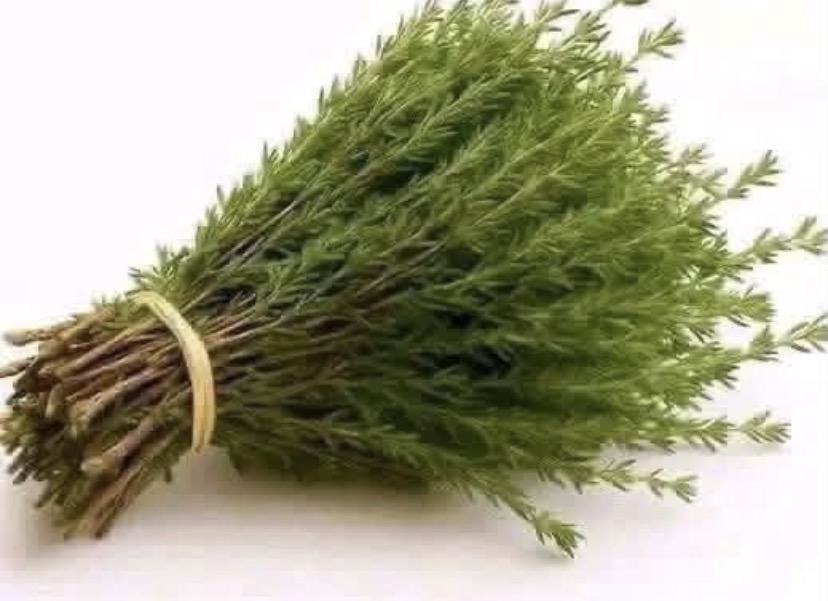
Thyme (Thymus vulgaris) is an aromatic evergreen herb belonging to the mint family (Lamiaceae). Native to the sunny regions of the Mediterranean, thyme has been cherished for thousands of years, dating back to ancient Egyptian, Greek, and Roman civilizations. Known for its distinct woody stems, small paired leaves, and earthy, sharp flavor profile, thyme remains an indispensable culinary staple and a foundational herb in traditional wellness.
Key Active Compounds and Nutritional Profile
The distinctive aroma, flavor, and therapeutic qualities of thyme stem from a high concentration of essential volatile oils and vital micronutrients.
- Thymol: The primary volatile phenol in thyme, celebrated for its potent antibacterial, antifungal, and antioxidant properties.
- Carvacrol: A bio-active aromatic compound that works synergistically with thymol to support immunity and suppress harmful microbes.
- Rosmarinic Acid: A powerful natural antioxidant that aids in reducing cellular inflammation and oxidative damage.
- Vitamin C & Vitamin A: Vital vitamins required for immune strength, healthy skin, and optimal vision.
- Essential Minerals: Provides rich natural stores of iron, calcium, manganese, and fiber.
Proven Health Benefits of Fresh and Dried Thyme
Supports Respiratory Health and Soothes Coughs
Thyme has long been relied upon as a natural remedy for respiratory ailments. The essential oil component, thymol, acts as a natural antispasmodic and expectorant. It relaxes airway muscles, thins bronchial mucus, and alleviates coughing symptoms associated with colds, bronchitis, and seasonal allergies.
Delivers Strong Antibacterial and Antimicrobial Protection
The essential compounds in thyme exhibit broad-spectrum activity against a variety of bacteria and fungi. Natural thyme extracts have been shown to inhibit common foodborne pathogens like E. coli and Salmonella, making it both a natural food preservative and an effective agent against skin microbes that cause acne.
Promotes Cardiovascular Health and Blood Pressure Regulation
Rich in antioxidants and minerals like potassium, thyme supports long-term cardiovascular health. Regular dietary intake helps encourage healthy blood circulation, balances resting heart rates, and supports blood pressure management within a healthy range.
Enhances Digestive Wellness and Gut Health
Thyme stimulates the production of digestive enzymes, making meals easier to process. Its anti-inflammatory and antispasmodic qualities help ease abdominal cramping, bloating, gas, and stomach discomfort while fostering a healthy balance of gut microbiota.
Boosts Immune Function and Cellular Defense
Loaded with Vitamin C, Vitamin A, and polyphenol compounds, thyme bolsters the immune system against seasonal viruses. Its high radical-scavenging capacity protects body tissues against cellular degradation caused by environmental oxidative stress.
Culinary Applications: How to Cook with Thyme
Thyme is exceptionally versatile in the kitchen, pairing seamlessly with meats, roasted vegetables, legumes, and savory sauces.
- Bouquet Garni: Fresh thyme sprigs are tied together with bay leaves and parsley to flavor stocks, broths, stews, and soups without leaving loose stems behind.
- Roasted Meats and Poultry: Perfect for rubbing over chicken, turkey, lamb, and beef alongside garlic, olive oil, and lemon prior to roasting.
- Herb Butter and Sauces: Finely minced thyme leaves enhance compound step-by-step marinades, pan sauces, gravies, and homemade salad dressings.
- Vegetable Dishes: Elevates roasted root vegetables, potatoes, mushrooms, squash, and tomato-based baked dishes.
How to Make Healing Fresh Thyme Tea
Infusing fresh thyme sprigs in hot water creates a soothing, aromatic tea that aids digestion and supports respiratory clarity.
Ingredients:
- 3 to 5 fresh thyme sprigs (or 1 tablespoon dried thyme)
- 2 cups of purified water
- 1 tablespoon organic honey
- 1 slice of fresh lemon
Instructions:
- Rinse fresh thyme sprigs thoroughly under cold running water.
- Bring 2 cups of water to a gentle boil in a small saucepan or kettle.
- Place the fresh thyme sprigs into a mug or teapot.
- Pour the boiling water over the thyme sprigs.
- Cover the container and allow the herb to steep for 8 to 10 minutes to extract the volatile oils.
- Remove and discard the thyme sprigs.
- Stir in fresh lemon juice and honey to taste, and sip slowly while warm.
Storing and Preserving Fresh Thyme
- Refrigeration: Wrap fresh thyme sprigs gently in a damp paper towel and place them inside a reusable silicone bag or airtight container in the crisper drawer for up to two weeks.
- Drying: Bundle fresh stems together with twine and hang them upside down in a warm, dry, well-ventilated area away from direct sunlight for 1 to 2 weeks. Strip dried leaves into an airtight glass jar for long-term storage.