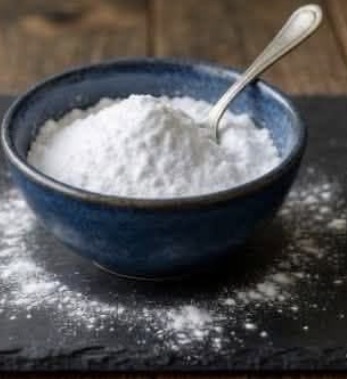
Baking soda, scientifically known as sodium bicarbonate, is one of the most versatile and affordable staples found in almost every kitchen pantry. While most people recognize it as a simple ingredient used to make cakes and bread rise, its incredible chemical properties extend far beyond baking. From deep-cleaning stubborn kitchen grime to serving as a natural personal care remedy, baking soda is a multi-purpose powerhouse that can replace dozens of expensive chemical products in your home.
What Is Baking Soda and How Does It Work?
Sodium bicarbonate is a natural salt compound that appears as a fine white powder. Its chemical composition makes it a weak base, meaning it reacts rapidly when it comes into contact with acids like vinegar, lemon juice, buttermilk, or yogurt.
When baking soda reacts with an acid, it releases carbon dioxide gas (CO_2). This reaction creates expanding bubbles, which serve two distinct primary functions:
- In Baking: The trapped carbon dioxide bubbles expand under heat, causing dough and batter to rise, creating a light and airy texture in baked goods.
- In Cleaning: The fizzing action helps lift dirt, grease, and residue from surfaces naturally without harsh scrubbers.
Additionally, baking soda acts as a mild abrasive and natural pH buffer, allowing it to neutralize acidic odors rather than simply masking them.
Top Household Cleaning Uses for Baking Soda
Using baking soda for home cleaning is an eco-friendly, non-toxic, and budget-friendly alternative to commercial chemical cleaners.
Deodorizing Carpets and Upholstery
Carpets and fabric furniture tend to trap stubborn odors over time from pets, food spills, and daily wear.
- Sprinkle a generous, even layer of dry baking soda over your carpet or fabric couch.
- Allow it to sit undisturbed for at least 30 to 60 minutes (or overnight for tough odors).
- Vacuum thoroughly to remove both the powder and the trapped odors.
Deep Cleaning Kitchen Surfaces and Appliances
Baking soda gently scours surfaces without scratching stainless steel, enamel, or tile finish.
- Oven Cleaning: Mix baking soda with a small amount of water to create a thick paste. Spread the paste over grease and burnt bits inside the oven, avoiding heating elements. Let it sit overnight, then wipe away with a damp cloth and a spray of white vinegar.
- Sink Refresh: Dust your sink basin with baking soda, scrub gently with a damp sponge, and rinse with warm water for a spot-free shine.
- Unclogging Drains: Pour half a cup of baking soda down the drain, followed by one cup of warm white vinegar. Let the fizzing reaction break down minor buildup for 15 minutes before flushing with boiling water.
Personal Care and Hygiene Applications
Beyond household maintenance, baking soda has long been utilized in natural self-care routines due to its gentle exfoliation and neutralizing qualities.
Natural Oral Health Support
Many commercial toothpaste brands include sodium bicarbonate as an active ingredient because of its ability to remove plaque and lighten surface stains.
- Plaque Reduction: Brushing gently with a baking soda paste helps disrupt harmful bacterial biofilms in the mouth.
- Breath Freshening: Swishing a glass of water mixed with half a teaspoon of baking soda neutralizes volatile sulfur compounds that cause bad breath.
Soothing Skin Irritations
Baking soda’s mild alkaline properties can help calm localized skin discomfort caused by bug bites, minor sunburns, or poison ivy.
- Baking Soda Bath: Adding one cup of baking soda to a warm bath helps relieve generalized itching and soothes sensitive skin.
- Soothing Paste: Mix three parts baking soda with one part water to form a paste and apply directly to mosquito bites to reduce itching and inflammation.
Health and Digestive Benefits
When used safely and in moderation, sodium bicarbonate offers several well-documented health benefits.
Relief from Heartburn and Acid Reflux
Heartburn occurs when stomach acid travels upward into the esophagus. Because baking soda is basic, it acts as a rapid natural antacid by neutralizing excess stomach acid.
- Dissolve half a teaspoon of baking soda in a 4 oz glass of water.
- Drink the solution slowly to relieve indigestion.
- Note: Avoid using this remedy regularly or in excess, as high sodium intake can raise blood pressure and cause metabolic imbalances.
Enhancing Exercise Performance
High-intensity athletic training leads to an accumulation of hydrogen ions in muscle tissue, causing muscle fatigue and the familiar “burn.”
Some athletes engage in “soda loading”—ingesting specific, measured amounts of sodium bicarbonate prior to high-intensity workouts—to temporarily buffer acid accumulation, allowing them to sustain peak physical effort for longer durations.
Essential Precautions and Tips
While baking soda is exceptionally safe for most everyday applications, keep the following guidelines in mind:
- Avoid Delicate Surfaces: Do not use dry baking soda on delicate surfaces like glass, aluminum cookware, or marble countertops, as its abrasive nature may cause fine scratches or discoloration.
- Storage Advice: Store baking soda in an airtight container in a cool, dry area. To check if your baking soda is still active for baking, drop a teaspoon into a small cup of vinegar; if it fizzes vigorously, it is still fresh.