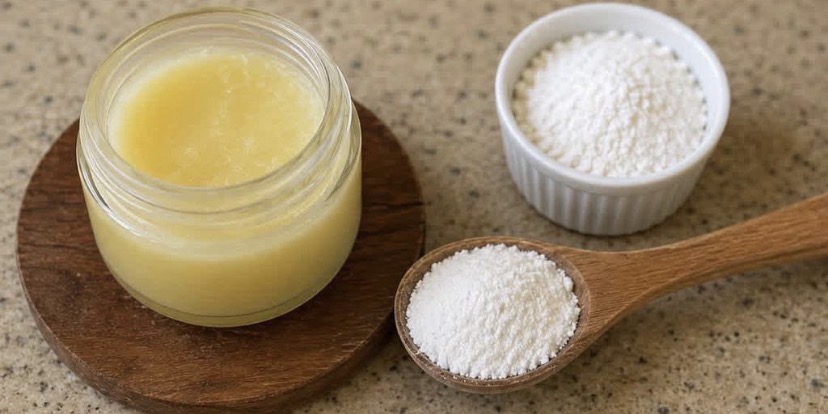
Switching to a natural homemade deodorant is one of the easiest ways to reduce your daily exposure to synthetic chemicals, aluminum, and artificial fragrances. Commercial antiperspirants work by using aluminum compounds to plug your sweat ducts, preventing your body from performing its natural cooling and detoxifying functions. A homemade deodorant cream, on the other hand, allows your body to sweat naturally while effectively neutralizing odor-causing bacteria and absorbing excess moisture.
This DIY deodorant cream recipe combines deeply moisturizing shea butter, coconut oil, arrowroot powder, baking soda, and essential oils to create a smooth, effective, and completely natural product that keeps you fresh all day long.
Why Choose Homemade Natural Deodorant Cream?
Conventional deodorants and antiperspirants often contain ingredients like aluminum, parabens, phthalates, and synthetic musks. Transitioning to a homemade natural deodorant offers several key benefits:
- Aluminum-Free Protection: Avoid active aluminum compounds while letting your skin breathe normally.
- Skin-Nourishing Ingredients: Natural oils and plant-based fats nourish and repair the delicate underarm skin.
- Fully Customizable: Adjust the fragrance with pure essential oils or tweak the formula for sensitive skin.
- Eco-Friendly & Cost-Effective: Reduce plastic waste by reusing glass jars and save money over time by making large batches.
Ingredients Breakdown and Their Roles
Understanding how each ingredient works helps you customize the formula to your personal preferences.
- Shea Butter (Base Fat): Rich in vitamins A and E, shea butter provides a creamy texture, protects the skin barrier, and deeply moisturizes without leaving a greasy feel.
- Coconut Oil (Base Fat & Antimicrobial): Contains lauric acid, a powerful compound known for combating odor-causing bacteria. It helps create a silky, smooth application.
- Baking Soda (Odor Neutralizer): Sodium bicarbonate alters the pH level on your skin, making it an inhospitable environment for smell-producing bacteria.
- Arrowroot Powder (Moisture Absorber): A soft, natural starch that absorbs sweat, reduces friction, and softens the overall texture of the cream.
- Essential Oils (Fragrance & Antibacterial Support): Tea tree, lavender, lemongrass, or peppermint oils add pleasant natural scents while offering additional antimicrobial protection.
Complete DIY Deodorant Cream Recipe
Ingredients
- Shea Butter: 2 tablespoons (approx. 30 grams)
- Coconut Oil: 2 tablespoons (approx. 30 grams)
- Baking Soda: 2 tablespoons (approx. 30 grams)
- Arrowroot Powder: 3 tablespoons (approx. 25 grams)
- Essential Oils: 10 to 15 drops (e.g., 8 drops lavender, 5 drops tea tree)
Equipment
- Double boiler or a heatproof glass bowl placed over a small pot of simmering water
- Spatula or whisk
- Small sterilised glass jar (2–4 oz capacity)
Step-by-Step Preparation Instructions
- Set Up a Double Boiler: Fill a small saucepan with 1 to 2 inches of water and bring it to a gentle simmer over low heat. Place a heatproof glass bowl over the pot, ensuring the bottom of the bowl does not touch the boiling water.
- Melt the Fats: Add 2 tablespoons of shea butter and 2 tablespoons of coconut oil into the glass bowl. Stir slowly until both ingredients are completely melted and blended into a clear liquid.
- Remove from Heat: Carefully remove the bowl from the heat source and set it on a heat-resistant surface.
- Mix in the Dry Ingredients: Add 2 tablespoons of baking soda and 3 tablespoons of arrowroot powder to the warm liquid mixture. Whisk thoroughly until all lumps disappear and the texture becomes smooth and uniform.
- Add Essential Oils: Allow the mixture to cool down slightly for 2 to 3 minutes (to prevent essential oils from evaporating). Stir in 10 to 15 drops of your chosen essential oils.
- Pour and Set: Pour the liquid cream into your clean glass jar. Let it cool at room temperature, or place it in the refrigerator for 20 minutes to speed up the hardening process.
How to Apply Natural Deodorant Cream
- Scoop a pea-sized amount using clean fingers or a small wooden spatula.
- Warm the cream briefly between your fingertips to let it melt slightly.
- Gently rub it into clean, dry underarm skin until fully absorbed.
- Allow 1–2 minutes for the cream to dry before getting dressed to prevent oil stains on fabrics.
Troubleshooting and Tips for Sensitive Skin
- For Baking Soda Sensitivity: If you experience redness or irritation, reduce the baking soda to 1 tablespoon and increase the arrowroot powder to 4 tablespoons, or substitute baking soda entirely with bentonite clay or diatomaceous earth.
- Consistency Changes: Because coconut oil melts at 76°F (24°C), your cream may soften in summer and harden in winter. Store it in a cool, dark place, or keep it in the fridge during hot weather.