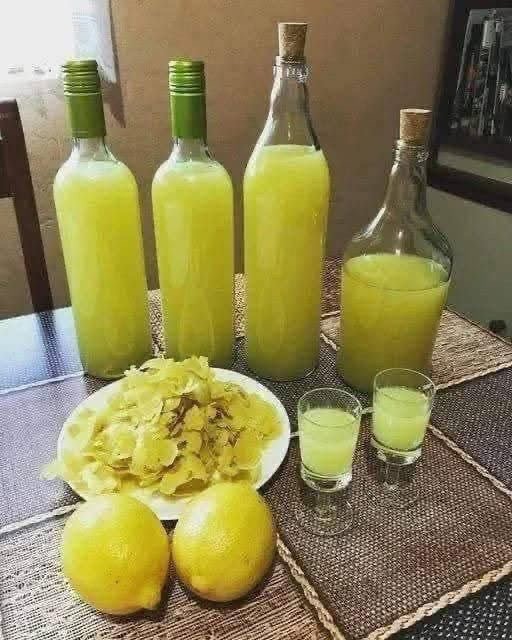
Introduction to Homemade Limoncello
Limoncello is a traditional Italian lemon liqueur celebrated for its vibrant yellow color, silky texture, and intensely refreshing citrus flavor. Native to Southern Italy—particularly the Amalfi Coast, Sorrento, and Capri—this classic digestif is created by infusing grain alcohol with fresh lemon zest before blending it with a smooth simple syrup. Making limoncello at home is remarkably simple and yields a far superior taste compared to store-bought commercial versions.
By using fresh, organic lemons and allowing the essential oils in the peels to slowly extract into the spirit, you can craft a rich, aromatic drink that serves as the perfect post-dinner palate cleanser. Serve it ice-cold straight from the freezer for an authentic Italian experience.
Ingredients for Homemade Limoncello
To achieve a bright, aromatic limoncello with a rich natural color, source the following ingredients:
Organic Lemons: 10 to 12 large organic, unwaxed lemons (Sorrento or Eureka varieties work best)
High-Proof Alcohol: 1 bottle (750 ml) high-proof neutral grain spirit (190-proof / 95% ABV Everclear or 100-proof vodka)
Filtered Water: 3.5 cups filtered water
Granulated Sugar: 2.5 cups white granulated sugar (adjust slightly based on preferred sweetness)
Step-by-Step Instructions
Step 1: Peel the Lemons
1. Wash the lemons thoroughly under warm water using a vegetable brush to remove any dirt or natural waxes. Pat them completely dry with a paper towel.
2. Using a sharp vegetable peeler or microplane, carefully peel the outer yellow skin from all the lemons in long strips.
3. Be sure to remove only the yellow zest. Avoid the bitter white pith underneath, as including it will cause the limoncello to taste bitter.
Step 2: Infuse the Alcohol
1. Place all the freshly peeled lemon zests into a clean 2-quart glass jar or airtight container.
2. Pour the high-proof alcohol over the peels, making sure every strip of zest is completely submerged in the spirit.
3. Seal the glass jar tightly with its lid.
4. Store the jar in a cool, dark place (such as a pantry or cabinet) for at least 10 to 14 days (or up to 4 weeks for maximum flavor extraction). Shake the jar gently every few days. Over time, the alcohol will turn a vibrant yellow, and the lemon peels will turn pale and brittle.
Step 3: Prepare the Simple Syrup
1. In a medium saucepan, combine the filtered water and granulated sugar over medium heat.
2. Stir the mixture continuously for 4 to 5 minutes until the sugar dissolves completely and the liquid turns clear.
3. Bring the syrup to a gentle simmer for 1 minute, then remove the saucepan from heat.
4. Allow the simple syrup to cool completely to room temperature before combining it with the alcohol base.
Step 4: Mix, Strain, and Bottle
1. Set a fine-mesh strainer lined with cheesecloth or a coffee filter over a large glass bowl.
2. Pour the infused alcohol through the strainer to separate and discard all the pale lemon peels.
3. Pour the cooled simple syrup into the strained lemon alcohol and stir thoroughly to combine. The mixture will instantly transform into a characteristic opaque, glowing yellow liqueur.
4. Using a clean funnel, pour the finished limoncello into sterilized glass bottles with corks or swing-top caps.
5. Seal the bottles tightly and chill them in the freezer for at least 4 hours before serving.
Tips for the Best Limoncello
Use Unwaxed Lemons: Non-organic lemons are often coated in food-grade wax that blocks the essential citrus oils from infusing into the alcohol.
Avoid White Pith: Scraping away any white pith attached to the peels is crucial to keeping the liqueur smooth, sweet, and free of bitter undertones.
High-Proof Spirit: High-proof alcohol extracts flavor far better than standard 80-proof vodka and prevents the limoncello from freezing solid when stored in the freezer.
Storage and Serving Suggestions
Freezer Storage: Store your bottled limoncello in the freezer. Thanks to the alcohol content, it will not freeze solid, remaining thick, viscous, and icy cold. It keeps well for up to 1 year.
Serving: Serve cold in small chilled shot glasses after dinner as a digestif, or splash it into prosecco, club soda, or iced tea for a refreshing summer cocktail.