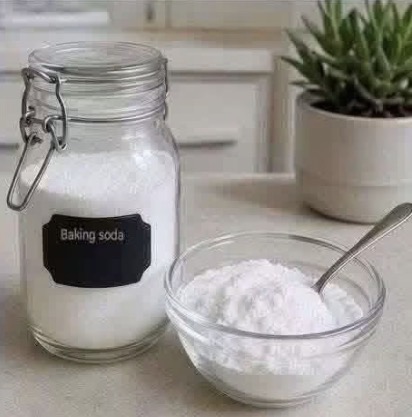
Introduction to Baking Soda
Baking soda, chemically known as sodium bicarbonate, is one of the most versatile, cost-effective, and environmentally friendly household staples in the world. Originally utilized as a leavening agent in baking to help dough rise, this gentle mineral compound has gained widespread popularity for its incredible multi-purpose cleaning, deodorizing, and personal care applications.
Unlike harsh chemical cleaners, baking soda is non-toxic, non-abrasive, and safe to use around children and pets. Understanding how to utilize baking soda effectively allows you to tackle stubborn kitchen grease, eliminate unpleasant odors, enhance personal care routines, and maintain a clean, chemical-free home environment.
Practical Household Uses of Baking Soda
Baking soda works as a natural abrasive and neutralizing agent across numerous home application areas:
- Kitchen Cleaning: Removes burnt-on grease from pots, pans, stovetops, and oven interiors without scratching surfaces.
- Odor Neutralization: Absorbs and eliminates stubborn odors inside refrigerators, trash cans, carpet fibers, and athletic footwear.
- Laundry Enhancement: Brightens whites, softens fabrics, and boosts the cleaning power of liquid laundry detergent when added to the wash cycle.
- Bathroom Scrubbing: Dissolves soap scum, mineral deposits, and grime on tile grout, porcelain sinks, bathtubs, and shower doors.
- Personal Care: Serves as a gentle physical exfoliator, a natural bath soak, or a mild component in homemade toothpaste formulations.
Effective Step-by-Step Applications
Method 1: Deep Cleaning Ovens and Cookware
- In a small bowl, combine 1/2 cup of baking soda with 3 tablespoons of water to form a thick, spreadable paste.
- Coat the interior surfaces of your oven or burnt baking sheets with the baking soda paste, avoiding heating elements.
- Allow the paste to sit undisturbed for at least 8 to 12 hours or overnight to break down baked-on grease.
- Wipe away the dried paste using a damp microfiber cloth. Spray lightly with white vinegar to react and wipe clean.
Method 2: Freshening Carpets and Upholstery
- Generously sprinkle dry baking soda over dry carpets, rugs, or fabric upholstery.
- Let the powder sit for 15 to 30 minutes to absorb trapped moisture and organic odors.
- Vacuum the area thoroughly using a high-suction vacuum cleaner until all baking soda particles are removed.
Method 3: Unclogging and Deodorizing Drains
- Pour 1/2 cup of dry baking soda directly down the sink or shower drain.
- Follow immediately with 1 cup of warm distilled white vinegar. Cover the drain opening while the fizzing reaction neutralizes buildup.
- Allow the mixture to react for 15 minutes, then flush the drain with a kettle of boiling water.
Key Benefits of Baking Soda
1. Environmentally Safe and Non-Toxic
Baking soda is a naturally occurring mineral compound that dissolves safely without releasing volatile organic compounds (VOCs) or synthetic toxins into your indoor air.
2. Natural Acid Neutralizer
Because sodium bicarbonate is mildly alkaline, it chemically neutralizes acidic odor molecules, eradicating foul smells at the source rather than simply masking them with artificial fragrances.
3. Gentle Abrasive Action
Its fine crystalline structure provides effective scrubbing power that lifts stubborn grime, water spots, and residues without scratching delicate glass, ceramic, or metal finishes.
Storage and Handling Tips
- Check Freshness: Mix 1/2 teaspoon of baking soda with a few drops of vinegar; if it fizzes vigorously, your baking soda is active and effective.
- Keep Sealed: Store baking soda intended for baking in an airtight container to prevent it from absorbing moisture and ambient odors from the pantry.
- Open Box for Deodorizing: Place an open box or small bowl of baking soda inside your refrigerator or closet, replacing it every 30 to 60 days for continuous odor control.