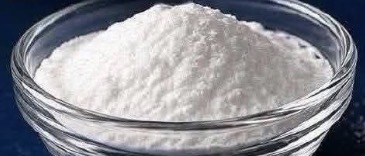
Viral beauty hacks often promise rapid youth and smooth skin through simple, everyday kitchen ingredients. One popular combination frequently discussed online is mixing baby oil with baking soda as an affordable DIY skincare remedy. While both individual ingredients serve valid purposes in personal care routines, understanding how they affect the skin—and whether combining them actually delivers anti-aging results—is essential before applying them to your face.
Understanding the Ingredients: Baby Oil vs. Baking Soda
To evaluate the safety and effectiveness of this viral skincare combination, it helps to examine the core properties and functions of each component individually.
- Baby Oil (Mineral Oil): Baby oil is primarily purified mineral oil combined with light fragrance. Mineral oil acts as an occlusive agent, meaning it forms a protective barrier over the surface of the stratum corneum. This barrier traps existing water in the skin, locking in moisture and preventing transepidermal water loss (TEWL).
- Baking Soda (Sodium Bicarbonate): Baking soda is a crystalline compound known for its alkaline nature, featuring a high pH of around 8.3 to 9.0. It is physically abrasive and functions chemically to break down oils, neutralise acids, and exfoliate surface buildup.
The Chemistry of Healthy Skin: Why pH Balance Matters
Healthy human skin has an acidic surface layer known as the acid mantle, typically maintaining a natural pH between 4.5 and 5.5. This protective shield wards off harmful bacteria, maintains moisture levels, and supports proper cellular turnover.
When alkaline substances like baking soda are applied directly to delicate facial skin, they drastically disrupt this natural acid balance. Stripping the acid mantle leads to compromise of the natural skin barrier, causing symptoms such as severe dryness, redness, inflammation, and heightened sensitivity to external environmental stressors.
Debunking Anti-Aging Myths and Viral Claims
Social media trends often claim that mixing mineral oil and sodium bicarbonate can reverse deep wrinkles, lift sagging skin, or make mature skin instantly appear decades younger.
Cellular Renewal and Collagen Production
True skin anti-aging relies on stimulating collagen synthesis and encouraging rapid cellular renewal deeper within the dermis. While ingredients like topical retinoids, vitamin C, and alpha-hydroxy acids (AHAs) are proven to encourage these processes, neither mineral oil nor sodium bicarbonate possesses the bio-active ability to boost collagen production or alter underlying facial structure.
Temporary Hydration vs. Wrinkle Elimination
The temporary softening effect some people experience after applying baby oil comes from surface hydration. Because occlusives hold water within the outer skin layer, fine lines caused by temporary dehydration may appear temporarily plumped or softened. However, this surface smoothing is purely cosmetic and short-lived, with no lasting structural changes to deep wrinkles.
Practical Applications and Safe DIY Alternatives
If you wish to utilize baby oil or baking soda safely in your self-care routine, consider applying them in controlled, appropriate ways that avoid delicate facial tissue.
- Exfoliating Foot and Body Scrub: Combine baking soda with a splash of warm water or body oil to scrub rough, thickened skin on heels, elbows, and knees. Avoid using this mixture on sensitive facial areas.
- Post-Shower Body Moisturizer: Apply a few drops of pure baby oil directly to damp skin immediately after showering to seal in moisture and soften dry legs and arms.
- Safe Facial Exfoliation: Replace harsh alkaline powders with gentle chemical exfoliants like lactic acid or mandelic acid, which remove dead skin cells while preserving the skin’s healthy moisture barrier.
- Proven Anti-Aging Skincare: Build a daily routine centered around broad-spectrum sunscreen to prevent premature aging, paired with proven ingredients like hyaluronic acid for hydration and retinoids for long-term collagen support.