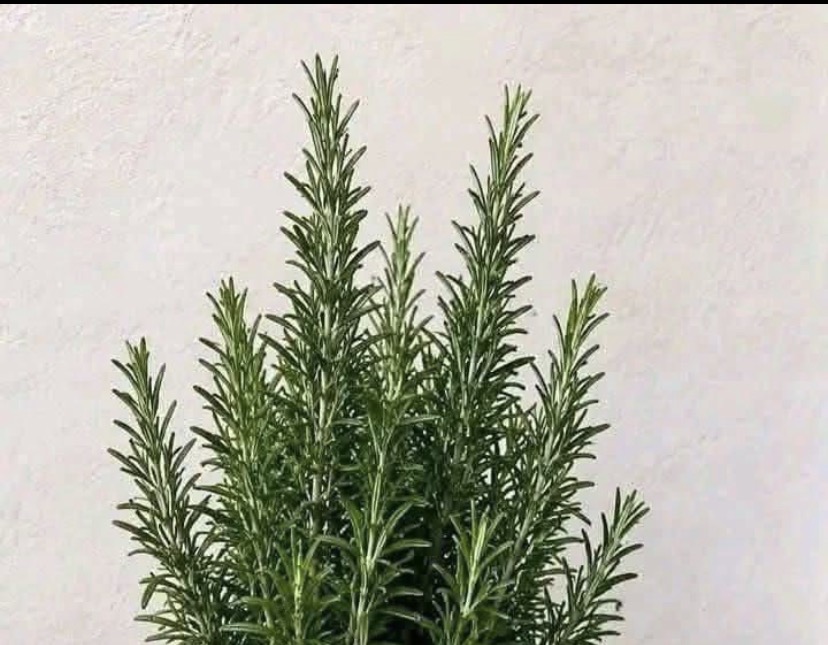
Rosemary (Salvia rosmarinus) is a resilient, fragrant woody herb native to the Mediterranean region. Prized for its culinary uses, aromatic foliage, and ornamental beauty, it is a staple addition to home garden plots, patio containers, and indoor windowsills. Mastering the cultivation of this perennial plant requires an understanding of its native habitat: sun-drenched environments with lean, fast-draining soil and minimal moisture.
Essential Soil and Drainage Requirements
The most critical factor in successfully growing healthy rosemary is soil structure. Rosemary naturally thrives in rocky, coastal Mediterranean soils, meaning it strongly prefers gritty, well-draining growing media rather than heavy, moisture-retentive soils.
- Ideal pH Range: Aim for a slightly acidic to neutral soil pH between 6.0 and 7.0.
- Soil Mix for Containers: Combine two parts standard potting mix with one part coarse sand, perlite, or pumice to ensure rapid water drainage.
- In-Ground Planting: If your garden soil contains high clay content, plant rosemary in raised beds or amend the soil heavily with gravel and organic matter to prevent root suffocation.
- Container Choice: Always select terra cotta or unglazed clay pots featuring generous drainage holes. Clay walls allow excess moisture to evaporate through the sides, lowering the risk of root rot.
Sunlight and Temperature Needs
As a sun-loving evergreen shrub, rosemary demands ample light to maintain vigorous foliage growth and robust essential oil production.
Sunlight Exposure
Rosemary requires at least six to eight hours of direct, unfiltered sunlight daily. When grown outdoors, choose an open location free from shade cast by larger trees or structures. For indoor plants, position the pot directly in a bright south-facing windowsill. If natural sunlight is inadequate during winter months, supplement illumination using a full-spectrum LED grow light positioned 6 to 12 inches above the canopy for 12 to 14 hours per day.
Temperature and Hardiness
Rosemary is generally hardy in USDA Zones 8 through 10. While established plants can tolerate brief cold snaps down to 20°F (-6°C), prolonged freezing temperatures will kill the root system. Gardeners in colder northern climates should grow rosemary in pots that can be safely overwintered indoors before the first autumn frost arrives.
Watering Guidelines and Moisture Control
Overwatering is the single most common cause of failure when cultivating rosemary. The plant is exceptionally drought-tolerant once established and suffers significantly in waterlogged conditions.
- The Soak-and-Dry Method: Water the plant thoroughly until moisture drains freely from the bottom of the container, then allow the top 2 inches of soil to dry out completely before watering again.
- Winter Adjustments: Growth slows down significantly during late autumn and winter. Reduce watering frequency accordingly, ensuring the soil remains barely moist.
- Humidity Considerations: Indoors, keep rosemary in a space with adequate air circulation. Avoid placing it near humidifiers or poorly ventilated, damp rooms, as high humidity combined with stagnant air encourages powdery mildew growth.
Pruning, Harvesting, and Ongoing Care
Regular pruning prevents rosemary from becoming leggy, weak, or excessively woody, encouraging dense, bushy growth instead.
Pruning Techniques
Prune your rosemary bush in late spring or early summer after its main flowering cycle finishes. Trim back up to one-third of the active green stems, making cuts just above a leaf node. Never cut deep into the bare, hard brown wood, as old wood lacks active buds and rarely sprouts new leaves.
Harvesting Leaves
You can harvest fresh rosemary sprigs year-round once the plant is established. Use sharp, clean shears to snip 4 to 6-inch stems from the outer foliage tips. Regular harvesting acts as a mild form of pruning that continually stimulates new growth shoots.
Nutrient Application
Rosemary is a light feeder and requires very little fertilizer. Applying too much nitrogen weakens the stems and reduces essential oil concentration, lowering the herb’s flavor profile. Apply a balanced, water-soluble organic fertilizer diluted to half strength once in early spring as new growth begins.